What to look for when buying upcycled wholesale for the first time
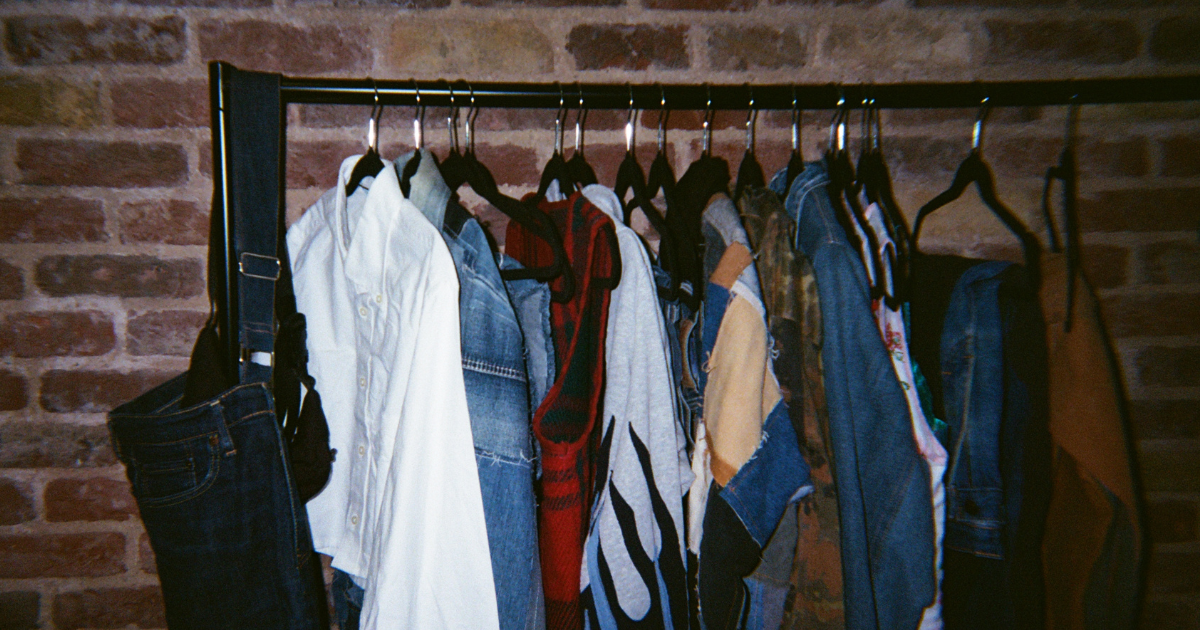
Upcycled wholesale catches a lot of first-time buyers off guard. Not because the products are poor quality, but because the category uses terminology loosely and listings often leave out information you need before spending money. Here's what to check before you place your first order.
Upcycled and rework style aren't the same thing
A true upcycled piece starts from a real branded garment. A genuine Carhartt jacket, a Ralph Lauren shirt, a pair of Levi's 501s. The original garment has been physically altered, cropped, bleached, patched, and the original label stays inside. The provenance is real.
A rework style piece is a new garment made to look like a reworked vintage piece. Similar fabrics and silhouettes, but no branded original underneath. Usually unbranded or carrying the vendor's own label.
Both sell well, but to different buyers.
Rework style suits buyers who are shopping on aesthetics. Someone who wants the look of a cropped Carhartt but can't find one, or doesn't want to pay for an authentic piece, is a good customer for rework style. That buyer exists in real numbers on Vinted and Depop, and rework style gives you something true upcycled often can't: reliable stock at a consistent price.
True upcycled is a better fit when your buyers care about what the garment actually is. If they ask about the original, want to see the label, or are specifically looking for reworked vintage, you need authentic pieces. Rework style won't hold up to those questions.
Work out which type of buyer you're selling to before you approach suppliers.
What to check in a listing before anything else
Don't open price negotiations until you've checked these things.
The interior label. If a listing says upcycled Carhartt or Ralph Lauren, there should be photos of the original label inside. If there aren't, ask for them. A supplier selling authentic reworked pieces shouldn't have any reason to refuse.
The actual stock available now. Listing photos tend to show one version of the design. The colourway, the patch placement, the wash level may all differ in the batch you receive. Ask for a short video of what's currently available. Suppliers who send this without being asked tend to have fewer problems post-delivery.
The rework detail. Close-ups of stitching, cropping, embroidery, or whatever the main rework feature is. These are the shots you'll be working from when you photograph your own listings, so vague imagery at the sourcing stage creates problems further down.
MOQs and trial batches
Most upcycled suppliers have minimum order quantities because each piece takes time to produce individually. Fifteen to twenty pieces is typical. Rework style can sometimes go lower.
For a first order, it's worth asking whether a smaller trial batch is possible. Some suppliers will do five to ten pieces at a slightly higher per-unit cost. Not all will, but it's a reasonable ask. If you do ask, be clear about your selling volume, which platforms you use, and that you plan to order more if the product works. That information gives a supplier a reason to accommodate you.
Custom orders need to be flagged from the start
Some suppliers will add your own branding, adjust designs, or take specific requests on the rework. Custom work changes the terms significantly. You're typically looking at a higher MOQ, often 20 to 50 pieces, a lead time of two to four weeks compared to the standard five to seven days, and a higher price per unit.
If you want custom work, put the details in your opening message. Your design, your quantity, your timeline, your budget. Leaving it vague costs time on both sides.
Sort out availability before you talk price
Upcycled stock doesn't sit still. Because each piece is made individually, exact specs, a specific colourway, a particular patch placement, won't always be available when you come back for a second order.
That's not necessarily a problem. Part of what makes upcycled work as a resale category is that variation. You might not get the same jacket twice, but you'll often find something close, a similar wash, a different pattern, a new colourway that works just as well. Buyers who lean into that tend to do better than those trying to replicate exact stock.
What's worth confirming before anything else is what's actually available now in your size range. One message saves a lot of back and forth on a spec the supplier can't fulfil.
Get the full cost before agreeing a unit price
Shipping is calculated at checkout, not during the chat. For orders into Europe, that figure can change what you're actually paying per piece by enough to matter. Before agreeing a unit price with a supplier, ask for an estimated total including shipping to your address. Most suppliers can give you that before you reach checkout.
Ready to start sourcing?
Fleek partners with vetted upcycled suppliers offering ready-to-order collections, custom designs, and white-label options. Browse the upcycled category to find reworked originals and suppliers who can work to your brief.